Stitching New Life into Wardrobes Across the UK

Explore repair, mending, and alterations hubs reviving garment lifespans across the UK, where skilled hands rescue beloved pieces from the back of the closet and return them with renewed purpose. Meet artisans combining tradition and innovation, learn practical approaches to care, and discover how small fixes multiply impact. Share your experiences, ask questions, and subscribe to keep learning from real workshops, real techniques, and real people who believe clothes deserve many meaningful chapters.

Where Skilled Makers Welcome Worn Favorites

From London arcades to Manchester’s Northern Quarter, Glasgow’s hidden lanes to Cardiff’s historic passages and Belfast’s lively quarters, talented makers are easy to reach yet often overlooked. Independent studios, social enterprises, and friendly collectives invite you to bring scuffed hems, loose seams, and fit frustrations. This guide points you to welcoming doors, realistic turnaround times, transparent pricing, and the quiet joy of picking up something repaired with care and pride.

Independent tailors on the high street

Look for long-established shops with steady foot traffic and well-thumbed alteration books, where a fitting mirror tells a thousand stories. These places pin with confidence, advise with honesty, and deliver hems, tapers, and re-sewn seams that simply disappear. Ask about past work on similar fabrics, request clear timelines, and bring the shoes or layers you’ll wear. A good tailor listens, measures twice, and hands back clothing that feels immediately, intuitively right.

Community repair cafés and libraries of things

Volunteer-run gatherings and tool-lending hubs offer shared tables, friendly coaching, and the satisfaction of learning while fixing. Bring a frayed cuff or pocket tear, and leave with stitches you made yourself, plus neighbors cheering your progress. Expect donated materials, gentle guidance, and an emphasis on safety and patience. These spaces transform anxiety into action, teaching small, repeatable skills that add up to years of extra wear and a deeper bond with your wardrobe.

Techniques That Hold, Flex, and Beautify

Invisible mends hide with surgical precision; visible mends celebrate history with color and texture. Makers switch between reinforced seams, bar tacks, reweaving, sashiko-inspired patching, and delicate hand-finishing to match the fabric’s character. Thread choice, needle size, and stitch length matter as much as patience. Expect thoughtful test swatches, stabilizing backers, and a blend of hand and machine work. The aim is strength, comfort, and a look that feels naturally, beautifully intentional.

Darning and reweaving for knits and fine wovens

Traditional darning rebuilds knit structure strand by strand, anchoring new yarn into old loops so the repair flexes and breathes. For wovens, reweaving or “invisible” patching replaces lost threads, aligning warp and weft until the eye relaxes. Skilled artisans color-match with patience, balance tension across tiny areas, and avoid bulky knots. Whether you want a ghostly, hidden fix or a proudly visible darn, both approaches can outlast the original weak spot.

Denim, workwear, and abrasion-prone zones

Denim thrives on reinforcement, from bartacks at stress points to sashiko grids that turn thinning panels into rugged mosaics. Makers stabilize with lightweight backers, then stitch densely so the fabric redistributes strain. Knees, pockets, inner thighs, cuffs, and belt loops benefit most from early attention. A strong repair respects the original fade patterns and keeps mobility intact. Over time, stitch maps become a living record of miles walked, bikes ridden, and jobs well done.

Weatherproof shells and technical textiles

Performance garments need thoughtful fixes that preserve breathability and protection. Makers clean seams, apply compatible tapes, and choose adhesives or stitch patterns that avoid puncture overload. Laminates, ripstop, and softshells each respond differently to heat and pressure, so testing is essential. Reproofing after repair restores beading and comfort. A well-executed patch on a storm jacket or cycling shell can extend service through many wet commutes, windswept hikes, and unexpectedly brilliant mountain days.

Alterations for Fit, Confidence, and Longevity
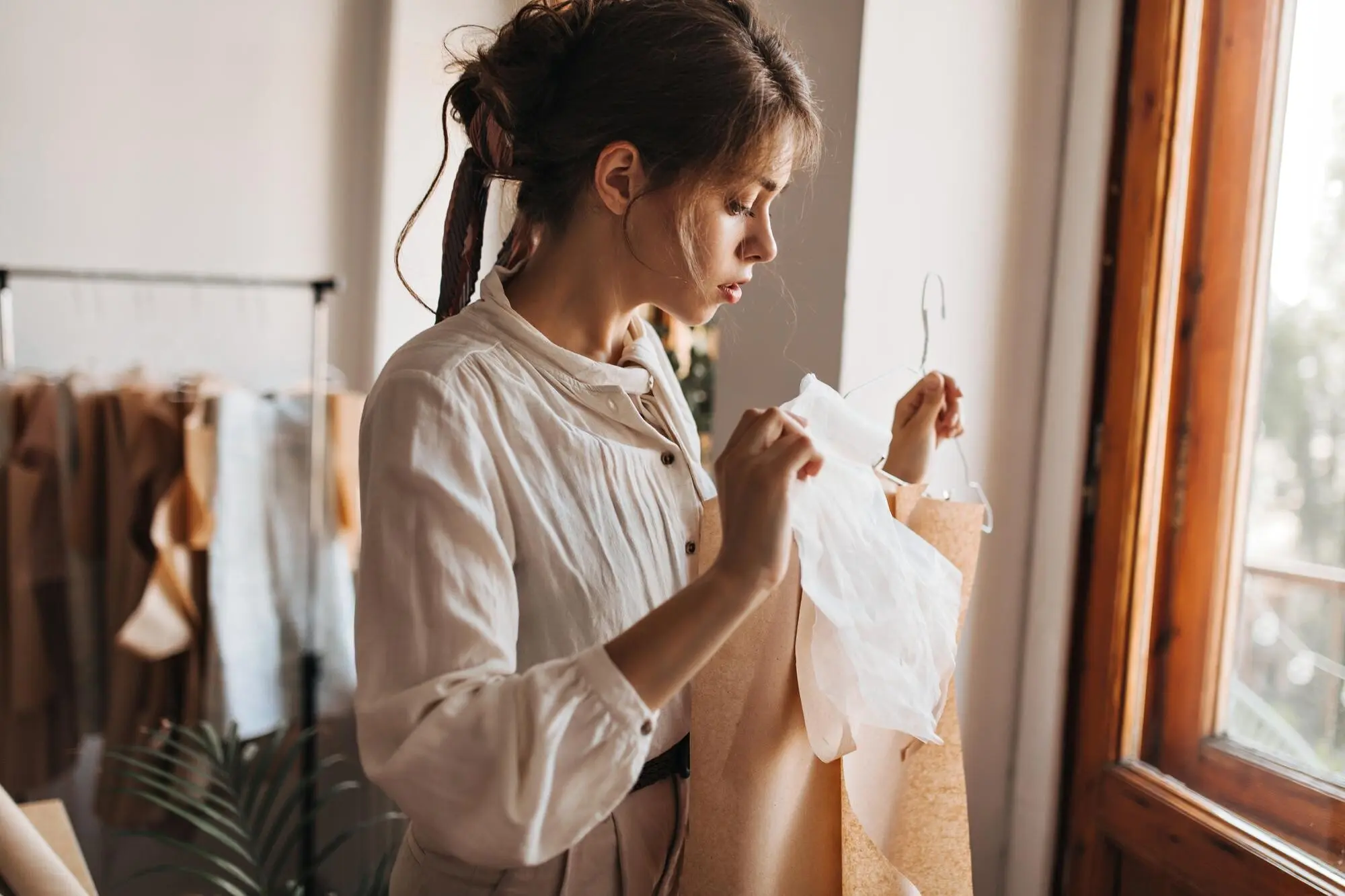
Great fit transforms how often you reach for a garment. Subtle hems, tapering, darts, gussets, and shoulder or sleeve tweaks can rescue pieces hovering between sizes or eras. Makers evaluate fabric memory, seam allowances, and balance to keep drape and movement graceful. Communicate how you move: sit, stride, hug, and raise your arms during fittings. Thoughtful alterations prevent strain, reduce pilling and popping seams, and inspire you to wear what you already own more often.

Cutting carbon, water, and waste through extra wears

Clothing production is resource-intensive, yet the lightest footprint is the piece you already own. Choosing reinforcement over replacement means fewer dyed yards, spun filaments, and freight miles. Even tiny repairs—button reattachments, seam lockstitches—unlock dozens more outings. Aggregated across neighborhoods, this becomes serious impact: less bin-bound textile volume and calmer rivers spared from premature fiber loss. Multiply by schools, offices, and clubs, and the climate math turns from abstract to personal, practical, and hopeful.

Cost-per-wear math that favors repairs

Divide what you paid by how many times you wear it, and watch alteration receipts vanish into savings. A modest hem or waist nip can push a dress from occasional to dependable, slashing cost-per-wear dramatically. Contrast that with buying anew—full price, full footprint, full risk of imperfect fit. Accounting for comfort, time saved deciding outfits, and the pleasure of familiarity, judicious repairs rival big discounts, without the compromises of rushed shopping or disposable trends.

Local livelihoods and resilient high streets

Paying for skilled work keeps workshops humming and apprentices learning. Neighborhood studios activate street corners, add friendly light to rainy afternoons, and welcome conversations that rarely happen in checkout queues. Makers source from nearby haberdasheries, share machines, and refer overflow to peers, building a supportive micro-economy. When we bring garments to be mended, we vote for knowledge staying in town. The result is resilient variety: fewer empty units, more greetings by name, and shared pride.

True-to-life Stories from Across the Isles

Real garments, real stakes, real relief. A waxed jacket from the 1980s gained a fresh lining in Leeds and kept its owner dry through a howling Snowdonia weekend. In Bristol, sashiko stitches transformed tired knees into artwork admired on the bus. Glasgow students learned to darn in a library pop-up, turning embarrassment into skill. These small triumphs echo a wider shift: care becoming stylish, practical, and deeply personal across cities, coasts, and quiet villages.

A wedding suit rescued days before the vows

With three days to go, a groom discovered a torn vent and a misaligned sleeve. A central Birmingham tailor stayed late, trued the shoulder, stabilized lining tears, and steamed the cloth until it floated. On the day, the suit moved without complaint, hugging during dances and photos. Later, the couple returned with winter coats, laughing that swift, thoughtful mending had quietly saved the ceremony from a last-minute panic and an emergency, ill-fitting purchase.

A cherished jumper reborn with character

A Shetland wool favorite carried memories of university lectures and windswept walks. Moth bites spread near the elbow; the owner feared goodbye. A patient darner matched yarn, then added one visible star to honor years of service. Friends started noticing the detail, asking questions, and reconsidering their closets. The jumper now feels both humble and proud—warmer, stronger, and somehow more honest—teaching that repairs can be celebration rather than apology for a life well-lived.

Students, thrift finds, and creative reworks

In Nottingham, a student collective hosted a late-night repair sprint before graduation week. Thrifted blazers gained crisp hems, gowns were adjusted to skim sneakers, and a vintage dress found balance with a quick strap rescue. Laughter mixed with chalk dust while playlists kept scissors moving. New owners learned proper pressing and button reinforcement, trading contacts for future fixes. The mood afterward was buoyant: clothes ready for photos, budgets respected, and memories anchored in shared handiwork.

Your Turn: Prepare, Partner, and Participate

Start by choosing one garment you still like but rarely wear. Photograph issues in good light, gather labels or fabric notes, and list priorities. Then visit or message a trusted hub, asking for options, prices, and timing. After pickup, wear mindfully and track comfort. Finally, share your before-and-after, comment with questions, and subscribe for fresh workshops, guides, and maps. Your story helps others begin, and together we keep wardrobes alive, expressive, and responsible.
Palodarizunokaronexo
Privacy Overview

This website uses cookies so that we can provide you with the best user experience possible. Cookie information is stored in your browser and performs functions such as recognising you when you return to our website and helping our team to understand which sections of the website you find most interesting and useful.